
The Trump and Cohn Bond
The Ownership Wars: Who Owns YouThis flow follows the formative relationship between Donald Trump and Roy Cohn as a transmission of political combat techniques.
increasing Bearing strength in each event
 decreasing
Bearing strength in each eventdecreasingThe New York Introduction
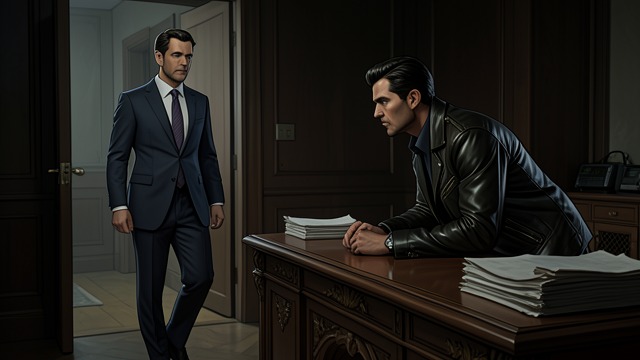
The New York Introduction
A Strategic Meeting
Donald Trump enters Manhattan’s elite world and encounters Roy Cohn, a lawyer known for political combat, tabloid instinct, and ruthless loyalty.
The relationship offers the aspiring developer access to a method of power beyond property.
The Mentor’s Appeal
Cohn recognizes that public conflict can be converted into influence and brand value.
The Rules of Combat
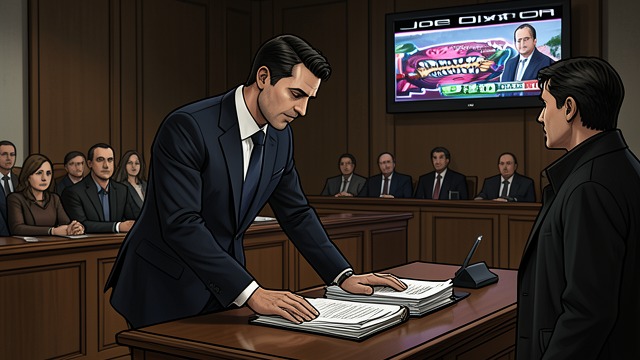
The Rules of Combat
Never Retreat
Cohn teaches that admitting error is weakness and that every dispute should be prolonged through legal and media pressure. Winning means exhausting the opponent.
The method values tactical aggression over reconciliation.
Personalization of Conflict
Public issues become fights between personalities, making institutional criticism easier to dismiss as personal hatred.
The Tabloid Vocabulary
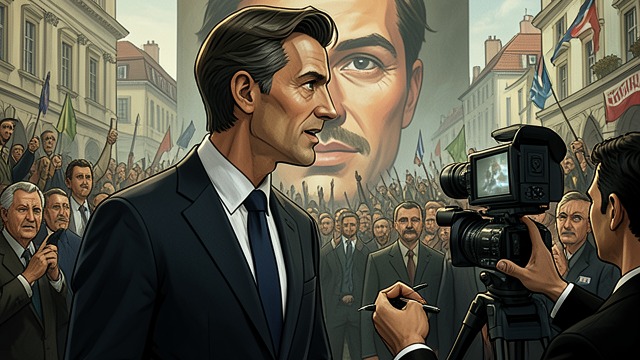
The Tabloid Vocabulary
Repeated Formulas
Phrases of certainty, rumor, dismissal, and exaggerated authority become part of the political vocabulary. Their apparent spontaneity masks a learned media technique.
Language is designed to dominate attention rather than clarify evidence.
The Inherited Voice
The mentor survives in the protégé’s public speech long after the personal relationship ends.
The Apprentice’s Elevation
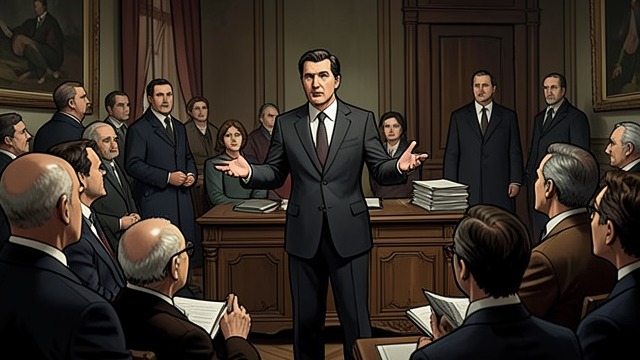
The Apprentice’s Elevation
From Client to Candidate
The techniques learned in private legal combat are transferred into national politics. Personal attack, denial, and spectacle become tools for assembling a mass movement.
The old New York style acquires presidential reach.
Scale Without Transformation
The book suggests that the office changes the consequences of the method more than the method itself.
The Mentor’s Ghost
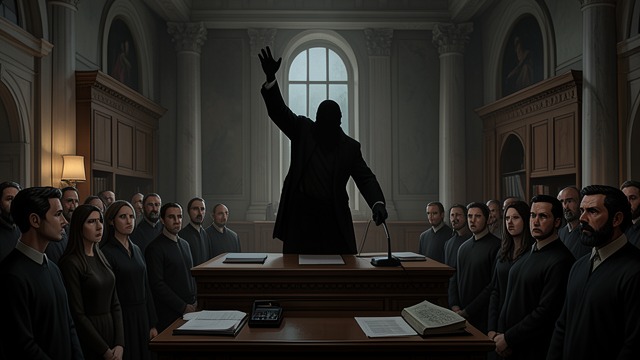
The Mentor’s Ghost
Permanent Combat
Cohn’s influence remains visible in the refusal to apologize, the suspicion of institutions, and the insistence on loyalty. The presidency continues to behave like a legal and tabloid battlefield.
The mentor’s techniques become embedded in national governance.
A Legacy of Damage
The relationship is significant because it explains how a private style of domination becomes a public political form.
In the late 1970s
During the account of their mentorship
In the discussion of their shared speech patterns
During the presidential campaign
After the inauguration
